Slap your bare palm against a standard, builder-grade interior wall coated in mass-produced eggshell latex paint. You are met with a dense, unyielding, plasticized resistance. It is cold to the touch, not with the grounding, thermal chill of natural stone, but with the lifeless, ambient temperature of synthetic polymers curing over compressed gypsum dust. Your fingernail glides across it without friction. It bounces artificial LED light back into your retinas with a harsh, relentless glare. It is a shrink-wrapped, hermetically sealed envelope designed entirely for rapid application, maximum hide, and mindless wipe-downs. It is utterly devoid of any sensory feedback.
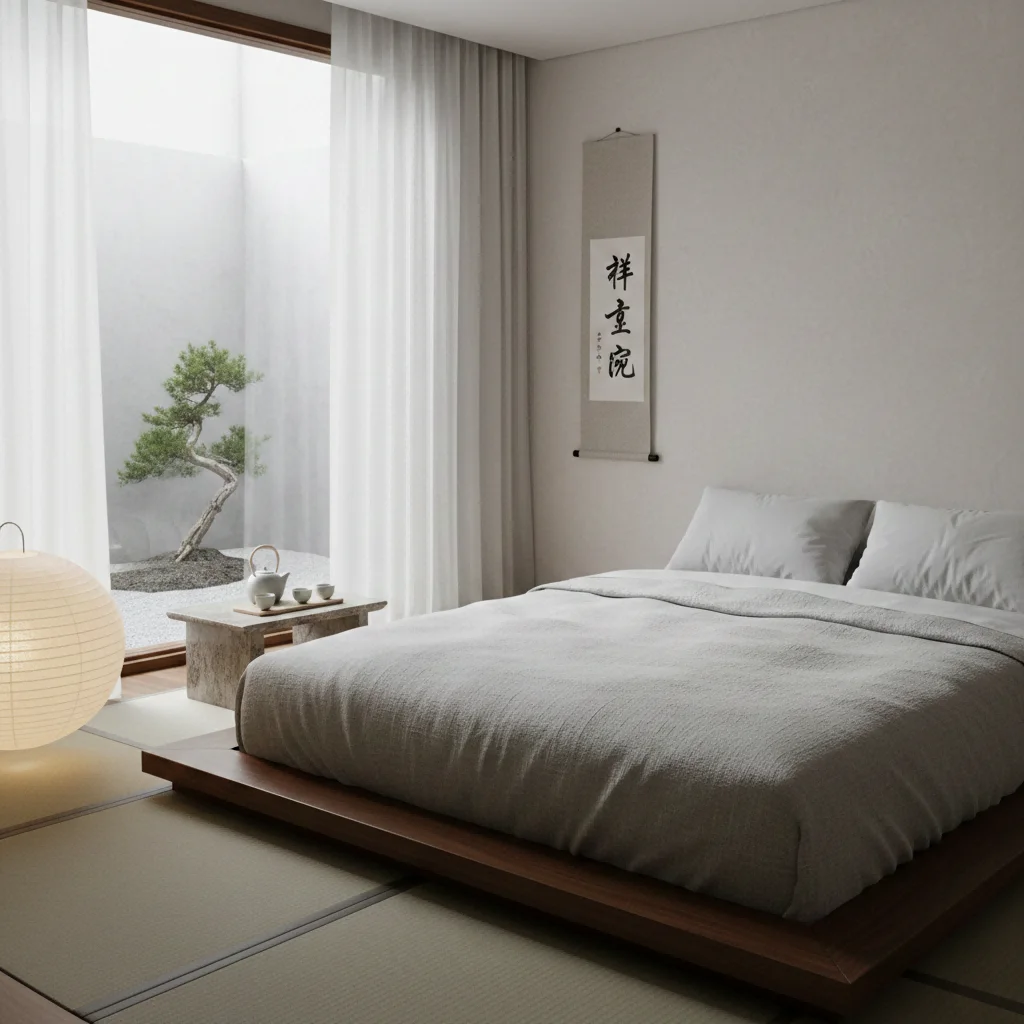
Now, press the back of your hand against a wall coated in properly cured limewash or thick, unsealed clay plaster. The physical shock to the nervous system is immediate. It is highly abrasive. It threatens to grate the top layer of your epidermis if you drag your knuckles too quickly across the trowel marks. You can physically feel the microscopic topography—the ridges where the mason's blade lifted away, the dense, chalky pores where the moisture evaporated over seventy-two hours. It sheds a minuscule, irritating layer of fine white dust onto your dark clothing. It demands that you acknowledge its physical existence in the room. You are intentionally inviting a high-maintenance, fragile, wildly inconsistent surface into your primary shelter, willingly paying exorbitant labor costs just to escape the suffocating sensory deprivation of modern drywall.