Systemic Respiratory Procurement: Architectural Protocols for Autonomic Modulation

Operating as a global evaluator and senior procurement specialist navigating the intersection of neurophysiological technology and somatic architecture, one observes the transition of respiratory interventions from fringe experimentation to quantifiable, data-driven frameworks.
When evaluating functional breathing for human performance within modern procurement cycles, the focus shifts entirely away from ambient relaxation. The analysis centers strictly on the deliberate, mechanical manipulation of autonomic nervous system markers, neurovascular coupling models, and cellular metabolic pathways.
Discerning structurally sound methodologies from commercial rhetoric requires abandoning subjective anecdotes in favor of an industrial-grade microscopic lens applied to physiological parameters, hardware integrations, and biomechanical realities. This technical dossier functions as a comprehensive overview of the mechanics, procurement strategies, and deployment logistics surrounding respiratory systems.
Architectural Positioning and Telemetry Baselines
The Systemic Integration Paradigm
Within the contemporary human optimization market, systemic respiratory modulation presents as a primary, non-pharmacological lever designed for immediate state shifting. It operates as a mechanical bridge between conscious volition and autonomic signaling.
Whether implemented via wearable biometric telemetry, tactile breath pacers, or rigorous breathwork facilitator training, the structural objective revolves around engineering specific neurophysiological states, ranging from parasympathetic baseline recovery to acute sympathetic arousal.
Heart Rate Variability and RMSSD Dynamics
Establishing a baseline of hard, measurable data remains paramount when critically evaluating different respiratory techniques. The gold standard for assessing vagal tone and parasympathetic dominance involves tracking Heart Rate Variability.
High-fidelity protocols typically demonstrate a measurable increase in the Root Mean Square of Successive Differences alongside a distinct spike in the High-Frequency band, strictly measured between 0.15 and 0.40 Hz.
Live Telemetry Placeholder
0.15 - 0.40 HzFig 2. RMSSD Dynamics and High-Frequency Band Spikes
Cerebrovascular Reactivity via BOLD fMRI
Cerebrovascular Reactivity serves as a mechanical indicator of vascular responsiveness. Advanced telemetry measures the Blood Oxygenation Level Dependent signal amplitude and hemodynamic lag in response to a breath-hold task to induce hypercapnia or a cued deep breathing task intended to induce hypocapnia. Tracking these specific vascular responses provides objective data regarding systemic circulatory efficiency.
Alveolar Oxygen Delivery Mechanics
Delivery efficiency is evaluated by observing the reduction of physiological dead space. Optimal simple respiratory techniques often drop the respiratory rate to a precise parameter of 6 breaths per minute.
Historical market observations indicate that this specific mechanical rate alters alveolar oxygen delivery dynamics compared to a standard baseline of 12 to 15 breaths per minute, establishing a clear operational target for hardware calibration.
Respiration-Entrained Brain Oscillation Network Activation
Activation of the Respiration-Entrained Brain Oscillation Network is traditionally measured within the 0.1 to 0.2 Hz intermediate frequency band. Proper nasal mechanics mechanically stimulate the olfactory bulb, which thematic analysis suggests shifts brain-wide functional connectivity toward the default mode, salience, and frontoparietal networks.
Biofield Emission Tracking
Advanced diagnostic frameworks now track Ultraweak Photon Emission and Infrared Radiation. Specific breathing techniques demonstrate a measurable decrease in Infrared temperature at the nose while elevating heart rate, signaling a physiological shift that warrants qualitative observation distinct from standard meditation.
Hardware and Biological Interfacing
The structural integrity of a respiratory protocol depends heavily on how it interfaces with the user's biological hardware. Premium protocols demand seamless integration with clinical-grade hardware, such as chest-strap electrocardiograms or high-fidelity photoplethysmography sensors. This closed-loop feedback provides a stark contrast to systems relying on uncalibrated, open-loop pacing.
Deep Anatomical Mechanics and Horizontal Modality Analysis
Dissecting the underlying architecture of competing modalities reveals the sheer mechanical variance present in this sector. Deploying a misaligned protocol introduces significant operational friction, making the anatomical route of airflow a primary evaluation metric.

Nasal Airflow Architecture
The most fundamental horizontal comparison in respiratory mechanics involves the anatomical route of airflow. Utilizing gentle nasal breathing practices acts as a mechanical sensory trigger. Airflow across the olfactory sensory neurons entrains the aforementioned oscillation network, modulating the hippocampus and amygdala.
Nasal pathways also harness paranasal sinuses to produce nitric oxide, a vasodilator that historical context notes is produced at higher volumes than during oral breathing.
Oral Airflow Mechanics
Bypassing the olfactory sensory neurons entirely, oral breathing relies on the brainstem's preBötzinger complex to generate intrinsic respiratory rhythms. While functionally utilized for acute, high-stress offloading, chronic oral pathways alter neurovascular coupling models.
Protocols prioritizing oral inhalation for long-term baseline maintenance present physiological design flaws that fail stringent procurement audits.
Cyclic Hyperventilation Dynamics
Distinguishing between hormetic stress protocols and autonomic recovery protocols remains a strict procurement requirement. Often combined with temperature stress, such as cyclic hyperventilation and cold exposure, this approach operates as a high ventilation breathwork practice designed to spike adrenaline and cortisol markers.
It induces acute hypoxia and hypocapnia, functioning as a mechanical stressor to recalibrate allostatic load baselines.
Simple Paced Breathing Protocols
Operating typically at 5.5 to 6 breaths per minute, a simple paced breathing protocol aims for cardiorespiratory resonance. Unlike hyperventilation, this mechanical rhythm maximizes variability markers and shifts the user into a state of parasympathetic dominance, offering a mathematically precise framework for daily autonomic maintenance.
Biofeedback Versus Static Pacing
Evaluating digital therapeutics often centers the debate on heart rate variability biofeedback versus unguided pacing. Biofeedback requires continuous biometric monitoring, dynamically adjusting the breathing cue to match the user's exact real-time resonance frequency. Alternatively, volitionally controlled deep breathing uses a static cue.
Qualitative observation of clinical trials reveals that while biofeedback remains the gold standard for maximizing resonance, static pacing at exactly 6 breaths per minute achieves comparable acute physiological metrics for the average user, bypassing heavy hardware overhead.
Carbon Dioxide Tolerance Frameworks
The mechanical comparison between hyperventilation and hypoventilation dictates systemic resilience. Modalities rooted in specific historical frameworks focus on alternating deep and shallow breathing with deliberate breath holds to build physical carbon dioxide tolerance. High tolerance corresponds to a nervous system baseline that delays premature autonomic responses.
This mechanical approach stands in direct contrast to holotropic breathwork workshop experiences, which actively flush carbon dioxide to induce altered states of consciousness.
Risk Mitigation and Pseudoscience Filtration
Primary directives in procurement demand rigorous risk mitigation. The respiratory market currently features a surplus of unregulated applications, mystical jargon, and unverified physiological claims that require systematic filtration.
The Commodification of Historical Practices
Commercial entities frequently package historical respiratory techniques as universal solutions. While these practices possess deep historical roots, stripping them of their original cultural context and mass-distributing them via subscription applications introduces significant physiological unpredictability.
Corporate Wellness Misalignment and Hyperventilation Traps
Auditing enterprise-level corporate wellness deployments often reveals profound misalignments. In a recent evaluation of a large-scale corporate rollout, the procured application heavily promoted a high-energy morning routine that functioned entirely as an uncalibrated high ventilation breathwork practice.
The Physiological Pitfall of Uncalibrated Hyperventilation
The procurement failure stemmed from a misunderstanding of respiratory mechanics. Rapid hyperventilation blows off carbon dioxide, causing cerebral vasoconstriction, which objective feature breakdowns show can reduce cerebral blood flow significantly, triggering a massive sympathetic nervous system response.
Instead of mitigating stress, users with specific baseline conditions reported acute panic markers and heightened allostatic overload. The application lacked preliminary tolerance screening or variability baseline testing, alongside exhibiting severe subscription cancellation friction.
The Verification and Vetting Protocol
Immediate contract termination and the implementation of a stringent vetting process became mandatory. Buyers must demand structural validation. Procured platforms should require instructors to hold credentials from evidence-based breathwork certification online programs. A legitimate system prioritizes baseline testing before ever introducing hyperventilation mechanics.
Consumer Versus Clinical Grade Hardware Architecture
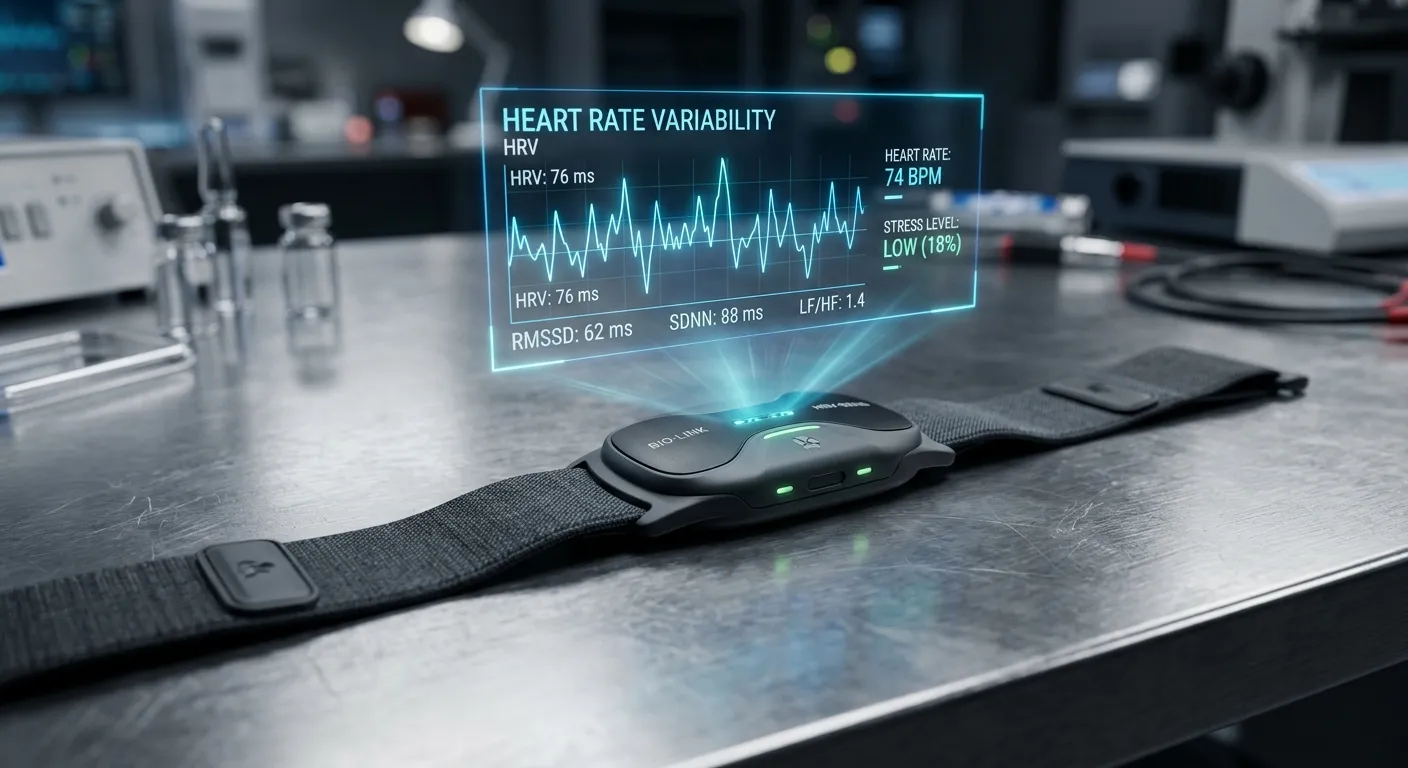
Procuring hardware, such as tactile breath pacers or biofeedback wearables, requires intense scrutiny of the sensor architecture. Many consumer-grade optical sensors fail to accurately capture the exact R-R intervals required for true clinical-grade biofeedback.
Hardware lacking a minimum sampling rate of 250Hz presents a structural deficit. Verifying the data extraction methodology remains essential; proprietary algorithms denying raw data export serve as an immediate procurement red flag.
Scenario Adaptation and Value-to-Cost Assessment
Effective deployment requires matching the precise biomechanical intervention to the specific environmental and physiological constraints of the user. The following matrix outlines scenario-specific adaptations for varying profiles.
High-Stress Corporate Executive Profiles
Executive profiles typically exhibit high sympathetic tone, limited time, and compressed sleep architecture. The optimal mechanical intervention involves simple respiratory techniques combined with wearable integration.
Implementation requires executing a guided 4-7-8 breathwork sequence between high-stakes engagements. The extended exhalation physically stimulates the vagus nerve, applying a mechanical brake to lower heart rate markers.
Procurement strategies should avoid complex biofeedback setups here, as the friction of deploying an electrocardiogram monitor destroys compliance. Wrist-based haptic pacers offer frictionless engagement.
Clinical Rehabilitation Patient Profiles
Rehabilitation profiles require absolute mechanical precision. The optimal protocol deploys a guided diaphragmatic breathing practice paired with visual biofeedback software.
Using clinical-grade chest straps, the user learns to synchronize their respiratory sinus arrhythmia with their baroreflex.
Procurement directives must focus on high-fidelity hardware and software ecosystems capable of tracking variable trends over extended periods, ensuring any supplementary manual remains grounded in neurobiology.
Elite Human Performance Profiles
Elite performance profiles seek to manipulate oxygen utilization, lactate thresholds, and psychological resilience baselines. The optimal intervention utilizes cyclic hyperventilation, a breath-hold task to induce hypercapnia, and simulated altitude training.
Implementation involves intermittent hypoxic training during physical exertion to build extreme tolerance.
Procurement for this cohort requires specialized hypoxic masks, continuous glucose monitors, and advanced biometric telemetry to track exact metabolic shifting.
The Value-to-Cost Analysis Matrix
Assessing the financial viability of a respiratory ecosystem requires a strict value-to-cost analysis. Evaluators must calculate the per-user cost of hardware acquisition against the software subscription model. The system must produce a verifiable, sustained alteration in baseline variability and resting respiratory metrics within a defined operational window.
Furthermore, compliance friction—whether the system requires extensive setup or offers instant engagement—dictates long-term viability. A high-cost biofeedback rig that remains unused yields a zero return on investment, whereas a tactile pacer utilized nightly to execute mechanical sleep protocols offers substantial value through sustained cognitive baseline maintenance.
Final Procurement Verdict
Systemic respiratory modulation presents as a biomechanically complex discipline. It operates not as a monolithic practice, but as a spectrum of neurophysiological tools ranging from parasympathetic down-regulators to sympathetic stimulants.
Procurement mandates require stripping away superficial marketing to demand empirical data. Whether evaluating the specific techniques utilized by instructors or procuring enterprise-wide biofeedback systems, the focus must remain relentlessly on the mechanics: nasal versus oral pathways, hypercapnic versus hypocapnic states, and the precise hertz frequency of respiratory entrainment.
"Mastering the architecture of the breath equates to mastering the structural baseline of human performance."
References
PubMed Central (2024). High ventilation breathwork practices: An overview of their effects . National Center for Biotechnology Information.
Scientific Reports (2025). A semi-randomised control trial assessing psychophysiological effects of breathwork and cold immersion . Nature.
Frontiers in Computer Science (2022). Comparing heart rate variability biofeedback and simple paced breathing . Frontiers.