The Curated Altar:
Micro-Shrines & Nomadic Kits
"A quantifiable transition from institutionalized religion toward a highly personalized, portable, and aesthetic-driven mode of devotion."
Precise Positioning & Core Metrics
Within the modern theater of spiritual lifestyle and individual wellness, the rise of the Micro-Shrine and Nomadic Kit signifies a quantifiable transition from institutionalized religion toward a highly personalized, portable, and aesthetic-driven mode of devotion.
Drawing from three decades of experience as a senior buyer in the global high-end spiritual goods market, I have tracked the evolution from the massive, immobile home altars of previous generations to the streamlined, modular "charging docks" favored by the current era.
These units function as more than simple ornamentation; they serve as high-utility "working stations" engineered to establish a sacred space within your home or while navigating transit, effectively reducing the psychological friction inherent in a chaotic, hyper-mobile environment. The market positioning of these kits exists at the precise intersection of perceived emotional value and ergonomic portability.
Material Authenticity and Tactile Resonance
The primary metric for any high-tier micro-shrine involves the structural integrity of its foundational material. In the specialized field of life aesthetics, the tactile feedback provided by the altar surface governs the "grounding" quality of the practitioner's experience.
Professionals perform a comparative evaluation of these items through grain density and finish stability. A premium nomadic kit frequently utilizes sustainable hardwoods such as Paulownia—valued for its lightweight properties in Japanese Kamidana—or reclaimed Teak.
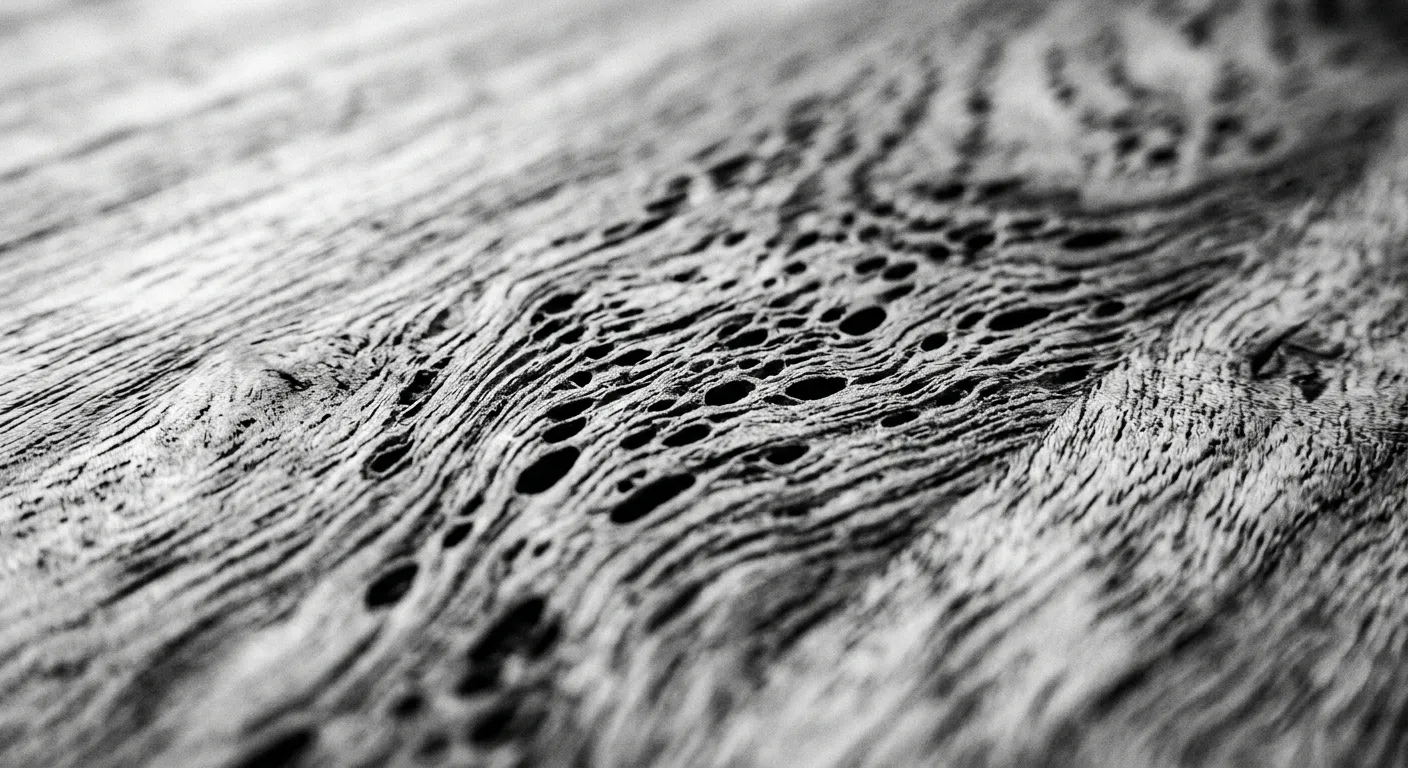
The integration of a mini ofrenda pre-assembled stained wood unit provides a robust platform, typically measuring 6x9x8 inches, which facilitates the stable placement of heavy brass murtis or stone symbols without the risk of surface warping.
Discerning buyers prioritize "open-pore" finishes that permit the wood to breathe, fostering a superior sensory connection compared to high-gloss synthetic lacquers.
Volumetric Efficiency and Portability
Regarding the technical requirements of a nomadic kit, the ratio of internal storage volume to the external footprint serves as the critical technical parameter. A superior temporary travel altar solution must accommodate at least four elemental representations—earth, air, fire, and water—while remaining within the physical dimensions of a standard journal.
"The ultimate objective is a setup that requires zero assembly time, enabling an immediate micro-ritual you can repeat daily without the logistical burden of complex preparation."
This efficiency is quantified via "nesting capability." High-end kits incorporate magnetic closures and recessed compartments to ensure that statues and symbols of divine energy do not collide or suffer damage during transit.
Olfactory and Acoustic Compatibility
A curated altar functions as a multi-sensory instrument, requiring a deep-dive analysis of its thermal and resonant properties. Consequently, the heat resistance rating of the burning surface and the acoustic decay of the platform are vital specifications.
If the kit includes an incense burner or a candle holder, the material—ideally solid brass, soapstone, or ceramic—must remain thermally decoupled from the wood base to prevent scorching. Furthermore, when a singing bowl or chime is utilized, the wood density must be sufficient to provide a warm resonance rather than a thin, tinny vibration. This distinction separates a mere novelty from a professional-grade spiritual tool.
Deep Anatomy & Horizontal Comparison
Structural Philosophy & Design Tension
Stained Wood Ofrendas vs. Japanese-Style Micro-Landscapes
When executing a quality verification between a mini ofrenda and a Japanese-style micro-landscape shrine, the structural differences are evident. The ofrenda, rooted in Mesoamerican traditions, prioritizes a wide platform for offerings such as fruit, bread, or ancestral photographs. Its stained wood construction is rugged, engineered for longevity and the gradual accumulation of a patina of use.
Conversely, the Japanese micro-landscape shrine, often featuring a Torii gate or a Tanuki figure, represents an exercise in botanical slowing. These units frequently incorporate indoor plants or moss, necessitating a moisture-resistant base treated with natural oils rather than chemical sealants.
The Kuahu Philosophy vs. The Boxed Kit
The kuahu altar adorned with plants represents a biocultural stewardship model of devotion. In a nomadic context, this translates to a kit that is porous by design, intended to incorporate local elements discovered during travel, such as a stone from a mountain or a leaf from a park.
This approach contrasts sharply with the "Boxed Kit," which functions as a closed system. The Boxed Kit provides pre-selected divination tools for spiritual guidance, including tarot cards or specific crystals like amethyst and obsidian. For the practitioner, the "Kuahu" style offers higher adaptive value, while the "Boxed Kit" provides higher convenience value.

Statues and Symbols: Cast Resin vs. Hand-Carved Stone
The core of the shrine is the deity or symbol at its center. In mass-market kits commonly found through major retailers, consumers frequently encounter polyresin or cold-cast bronze. While these materials offer durability, they lack the vibrational weight of authentic substances.
A senior buyer identifies high-value statues and symbols of divine energy by seeking "Murtis" crafted from "Panchaloha"—a traditional five-metal alloy—or hand-carved jade and soapstone. Although the cost difference often involves a 5x multiplier, the value-to-cost ratio is justified by the longevity and material truth of the object.
Authentic stone symbols, such as those recovered from ancient Central Asian shamanic burials like the 2700-year-old Yanghai Tombs, were selected for their ability to survive the continuum of life, a quality that synthetic plastics cannot replicate.
Risk Mitigation & Verification
The market for spiritual kits is currently influenced by "Aesthetic Witchcore," a trend that prioritizes visual appeal for social media over functional or historical accuracy. For the serious practitioner or collector, identifying these marketing traps is essential for long-term satisfaction and maintaining proper energy hygiene for your altar.
The Zinc-Alloy & Synthetic Trap
Many mid-range kits substitute solid brass or copper tools with zinc-alloy coated in a gold finish. These items are lightweight and prone to flaking or corrosion within months of use. To perform a quality verification, a buyer should utilize a simple magnet test or inspect for casting seams.
The Sustainability Myth
Palo Santo and White Sage are frequently included without specific certifications like SERFOR. A high-end kit will instead offer biocultural alternatives like local cedar, rosemary, or mugwort. If the manufacturer cannot identify the specific region, it lacks the ethical resonance required.
Case Study: The Zinc-Alloy Deity Disaster
In 2022, a prominent spiritual subscription box released a nomadic shamanic kit that reached over 50,000 units in sales. The kit included a bronze-finished deity statue, a small wooden tray, and a set of healing crystals. Within three months, industry consultants received numerous reports of the bronze finish bubbling and peeling to reveal a grey, porous zinc-tin core.
Even more concerning, the wooden tray was discovered to be MDF with a thin veneer that warped immediately upon contact with moisture. The healing crystals were identified as aura quartz, which is merely low-grade glass or clear quartz electroplated with metal vapors.
The consumers targeted by this aesthetic trap paid $120 for a kit with a production cost of less than $8. A savvy buyer would have noted the lack of material weight and the unnatural sheen of the crystals.
Scenario Adaptation & Value Assessment
Urban Apartment
For high-density environments like NYC or London. The focus is on a little cabinet for home altar storage that can be closed, preserving energy hygiene in multi-purpose rooms.
- • 10-inch Vertical Cabinet
- • Flameless LED Candle
- • Kuahu Plant Offering
Frequent Traveler
A personal spiritual travel altar kit capable of surviving security inspections. The durability-to-weight ratio is the essential metric here.
- • Canvas/Leather Roll-up
- • Small Harrowing Bowl
- • Anchor Stone (Obsidian/Jade)
Heirloom Ancestral
Designed to symbolize the continuum of life across generations. A permanent fixture using solid, dark-stained hardwoods like Walnut.
- • Solid Walnut/Mahogany
- • Hand-forged Metal
- • Antique Family Heirlooms
The Value-to-Emotion Ratio Framework
The professional assessment of a curated altar is not based on market price but on the resonance coefficient. A kit that costs $500 but facilitates a daily 5-minute reset has a higher perceived value than a $2,000 antique that remains too precious for actual use.
As a buyer, always prioritize the material truth of the wood, stone, and metal over the aesthetic trend. The difference between altars and shrines is that an altar is for work—it must be durable, functional, and resonant. A shrine is for honor—it must be beautiful, stable, and representative.
"By following this deep-dive analysis, you ensure that your sacred space is not just a collection of objects, but a powerful crucible for personal transformation."